Choosing the Right Organic Mattress: A Practical Guide to Natural Comfort
In a world increasingly mindful of health, sustainability, and the subtle science of sleep, a mattress that respects both body and planet stands as a quiet pillar of daily well-being. This guide unfolds the essentials of selecting an organic mattress—what makes it truly organic, which certifications to trust, and how materials such as natural latex, organic cotton, and coconut fiber shape comfort, durability, and environmental impact. Along the way, we’ll compare a handful of trusted brands and offer practical testing and decision helpers to help you align your sleep setup with your body and values.
The journey toward natural comfort begins with a simple question: what does “organic mattress” really mean in practice? Unlike conventional mattresses that often blend synthetic foams, chemical flame retardants, and treated fabrics, an organic mattress aims to minimize synthetic inputs, maximize natural fibers, and meet rigorous third‑party standards. The best organic mattresses aren’t merely natural on paper; they feel natural—airy, supportive, and free from chemical aftertastes that can intrude on sleep. The choices below emphasize materials you can trust, layered thoughtfully to deliver lasting comfort across seasons.
I. Understanding Organic Mattress Basics
The core of any organic mattress lies in materials that are grown, harvested, and processed with care for people and ecosystems. The key materials you'll encounter include:
- Natural latex: Often Dunlop or Talalay processed, latex provides buoyant, responsive support with natural breathability. Organic latex is typically produced from Hevea brasiliensis trees and certified to avoid synthetic additives.
- Organic cotton or wool covers: GOTS (Global Organic Textile Standard) or GOLS (Global Organic Latex Standard) certifications frequently surface in coverage and padding. Organic cotton and wool contribute to temperature regulation and skin-friendly textures.
- Latex blends and coconut fiber: Some mattresses incorporate coconut coir or other natural fibers as supportive, breathable cores or top layers that reinforce durability and moisture management.
- Low‑VOC and non-toxic finishes: A growing emphasis on flame retardants-free and low-emission components helps ensure the sleep environment remains clean and inviting.
Certifications matter not just as badges, but as assurances that what you’re sleeping on aligns with responsible forestry, fair labor, and traceable supply chains. Look for recognized labels such as GOTS for textiles, GOLS for latex, and certification programs from independent bodies that publish transparent standards and testing results. The most credible brands publish their certification reports and supply chain details, letting you verify the claims beyond marketing copy.
II. Materials, Comfort, and Temperature—How They Interact
Comfort in an organic mattress is not just about softness or firmness, but how the material ecosystem works together to sustain comfort through the night. Consider the following material dynamics:
- Support and contour with latex: Natural latex delivers a responsive lift that can cradle pressure points without feeling “stuck.” For some, a medium to medium-firm feel with a breathable latex layer creates ideal alignment for the spine, hips, and shoulders.
- Breathability with natural fibers: Organic cotton and wool covers, along with breathable cores, promote air flow and regulate temperature, reducing night sweats and overheating.
- Layering for seasonal comfort: A mattress might pair a breathable latex core with a wool or cotton comfort layer to balance summer cool and winter warmth.
- Durability and cleanability: Natural fibers tend to maintain form with proper care. Removable, washable covers enable easier hygiene routines, supporting longevity of the overall sleep system.
The goal is a balance: enough contour to support the spine in neutral alignment, enough bounce to prevent a sensation of being “stuck,” and enough air movement to keep the sleep environment comfortable from January to July.
III. Brand Comparisons: The Clean Bedroom, Savvy Rest, and More
When evaluating brands, consider the core values each company embodies: supply chain transparency, the integrity of materials, environmental stewardship, and long-term value. Below are a few brands that frequently appear in thoughtful, non‑toxic sleep conversations.
The Clean Bedroom (Brand Spotlight)
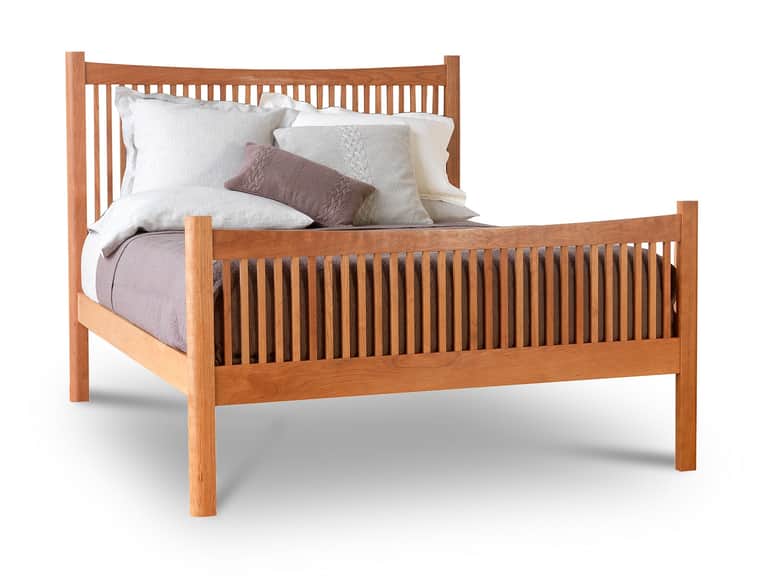
The Clean Bedroom emphasizes a straightforward, educational approach to organic sleep. Their product stories often foreground natural materials, with a focus on long-lasting construction and non-toxic components. The Glastenbury Platform Bed, while a centerpiece for the brand’s sleep environment, typifies an ethos of durable, well-crafted foundations that let the bedding do the talking.
Featured product: Glastenbury Platform Bed. A solid-wood platform frame designed to endure, finished with an eco-friendly oil that celebrates the wood’s natural character.
Note: The platform bed is a furniture element, illustrating how an organic sleep environment begins with a sturdy frame that complements organic mattresses and bedding.
Savvy Rest (Certification and Comfort)
Savvy Rest is widely cited for its emphasis on certified organic materials and customization options. Their approach often blends organic latex, cotton, and wool with transparent sustainability storytelling. Savvy Rest is frequently referenced for its commitment to comfort without compromising ecological values.
If you’re seeking a model of brand integrity in organic textiles, Savvy Rest provides a benchmark for material purity and long-term durability.
IV. How to Test an Organic Mattress at Home
A hands-on testing protocol helps you translate product specs into real sleep experience. Here are practical steps you can perform at home:
- Firmness test: Lie on your back and then your side. A mattress that supports the natural curvature of the spine in both positions without sagging is often a good sign. If you have a preferred sleeping position, repeat the test in that position for several minutes.
- Pressure relief: Pay attention to shoulders, hips, and lumbar. Do you feel held too tightly, or do you experience comfortable pressure relief without excessive sinking?
- Temperature and airflow: If you tend to sleep hot, pay attention to whether the surface feels breathable and whether there’s a sense of airflow around the torso and limbs.
- Edge support: Sit on the edge of the bed. A strong edge reduces roll-off risk and provides stability for activities beyond sleep, such as reading or working in bed.
For a more rigorous in-home test, obtain a trial period from the manufacturer. A generous trial lets you assess your sleep quality across multiple weeks, factoring in seasonal changes and evolving comfort needs.
V. Warranties, Returns, and Longevity
A robust warranty is a practical signal of a company’s confidence in its product. When reviewing coverage, consider:
- Material and workmanship guarantees that cover common issues such as indentation, loose covers, or off-gassing concerns.
- Terms that define what constitutes normal wear and tear, as well as the process for making claims.
- Return or exchange policies that accommodate changes in comfort preferences, especially during mattress break-in periods.
The right warranty is not merely a promise of replacement; it is a practical ally in ensuring your decision remains sound over years of use. A reputable organic mattress brand will present clear, accessible terms and transparent pathways for service.
VI. The Narrative of Sleep: Three Key Individuals Across Time
Sleep science and its practical application have been shaped by minds across generations. Here are three influential figures whose ideas still resonate in the way we think about mattresses, materials, and humane production.
Hypnos of Ancient Greek Mythology
Time: Antiquity
Although myth, Hypnos personified sleep and its mysteries in ancient narratives. The enduring appeal of a restful night reverberates through centuries of human experience, guiding early bedmakers toward comfort, warmth, and ritual in the home. The mythic emphasis on solace and deep rest speaks to our present-day desire for natural sleep environments free from disruption.
Florence Nightingale (Social Reform and Health Through Environment)
Time: 19th Century
A pioneer of modern health standards, Nightingale’s insistence on cleanliness, lighting, and air quality has modern echoes in how we curate sleep spaces. Her emphasis on environment as a determinant of wellbeing resonates in today’s focus on breathable fabrics, non-toxic finishes, and beds that promote hygiene and serenity in the bedroom.
Lynn R. University and Sleep Research Leaders
Time: 20th–21st Century
Contemporary sleep science has brought clarity to topics like sleep hygiene, mattress temperature regulation, and healthy posture. Researchers and clinicians have underscored the importance of aligning mattress materials with individual physiology, a principle mirrored in organic mattress design that honors breathability, comfort, and long-term safety.
VII. Product Spotlight: The Glastenbury Platform Bed in an Organic Sleep Ecosystem
A well-chosen mattress works in concert with a solid foundation. The Glastenbury Platform Bed showcases a woodworking philosophy that pairs durability with a warm, understated aesthetic. Its solid wood construction, finished with an eco-friendly oil, emphasizes a natural narrative—one that aligns with organic bedding standards and a broader sleep environment rooted in simplicity and longevity.
For readers seeking an integrated look that respects both form and function, pairing a high-quality organic mattress with a compatible platform bed can yield a bedroom that feels both timeless and revitalized. The Glastenbury bed’s mission-style lines and clean silhouette echo the Hudson Valley-inspired calm we aspire to in a sleep space.
Product: Glastenbury Platform Bed
Brand: Vermont Furniture Designs
Finish: Eco-friendly oil
Materials: Solid wood
Images show the bed in a calm, natural setting with warm woods and restrained textile choices. If you’d like, I can embed image references and product links in corresponding sections.
VIII. The Hudson Identity: A Regional, Ethical, and Aesthetic Thread
The domain HudsonBedding.com carries a poised promise: to treat “Hudson” as a branding cue—a nod to the Hudson Valley’s sense of calm, quality, and craft—without becoming a regional sales outlet. The editorial voice for this site anchors itself in credible, accessible guidance on organic sleep, while inviting readers to explore deeper cultural and design ideas that fit a sustainable lifestyle.
This article has highlighted a practical approach to choosing an organic mattress, combining materials literacy, brand scrutiny, and real-world testing. It also introduced a prose rhythm reminiscent of Time magazine: a balance of reportage-like clarity, thoughtful context, and concrete guidance designed to help readers navigate a marketplace that often presents promises rather than proofs.
IX. A Starter Content Plan for Hudson Bedding
If you’d like a concrete jumpstart, here is a starter content plan that blends educational deep-dives with practical consumer guidance:
- Week 1: What Makes a Mattress Organic? A Consumer Guide to Certifications
- Week 2: Latex vs. Cotton vs. Coconut: How Each Material Impacts Sleep Temperature
- Week 3: Brand Comparisons: The Clean Bedroom, Savvy Rest, Coyuchi, Libeco, Sferra
- Week 4: At-Home Sleep Test Protocol: A 14‑Day Plan
- Week 5: How to Read a Mattress Warranty and Returns Policy
- Week 6: Seasonal Bedding Looks: Layers for Warmth and Breathability
- Week 7: Expert Q&A: Sleep Hygiene and Natural Materials
- Week 8: Regional Spotlight: Hudson Valley Design and Sleep Culture
The calendar can be extended with guest posts from sleep scientists, textile experts, and interior designers, weaving a robust, credible voice for Hudson Bedding.
X. Closing Thoughts: Sleep as a Cultural Practice
The choice of an organic mattress is more than a purchase; it is a commitment to a daily practice of rest that respects the body, the environment, and the communities that supply the materials. By integrating materials literacy, brand transparency, and a thoughtful testing process, readers can cultivate a sleep setup that honors both health and the planet. The Hudson motif offers a quiet, enduring frame for this journey: a reminder that good sleep is a region-wide, shared enterprise—one that invites curiosity, rigor, and a touch of regional warmth.
Published: 2026-09-28
Author: The Hudson Bedding Editorial Team