In the realm of sleep science, the bedding you choose is more than a cushion; it is an active participant in thermoregulation, humidity control, and microclimate stabilization around the body. As researchers and designers continue to illuminate the link between material composition and sleep quality, we see a renewed emphasis on organic, natural fibers that strike a balance between softness, durability, and environmental responsibility.
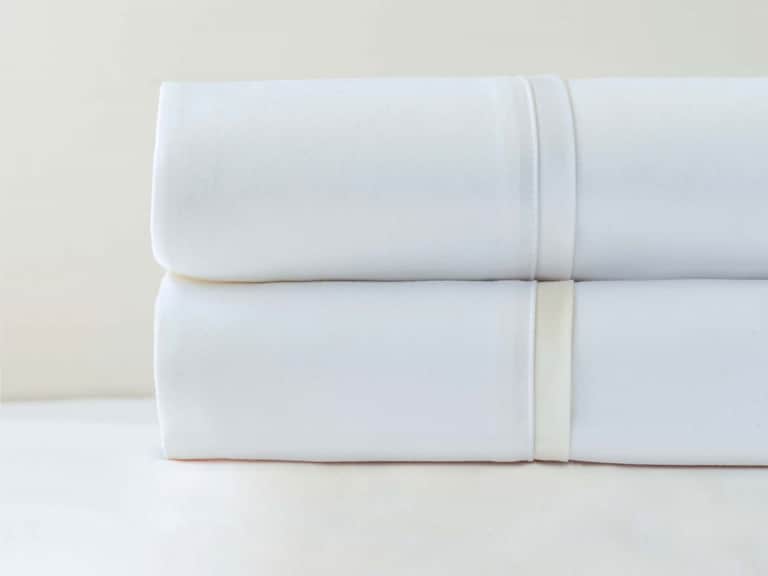
Consider, for instance, how a bed feels in the heat of summer versus the chill of winter. A sheet set woven from organic cotton sateen offers a smooth, breathable surface that can feel cooler in warm seasons and plush in cooler ones. Percale weaves—crisp and airy—promote airflow and a sense of freshness, ideal for sleepers who generate heat at night. Linen, with its natural moisture-wicking properties, adapts over time, growing softer while maintaining breathability. Each material carries a distinct fingerprint on sleep comfort, and the right combination depends on personal preference, climate, and sleep posture.
Material Realities: What Sleeps Best
When we examine bedding materials, several threads weave through the discussion: organic certification, fiber type, weave, and finish. A 400-thread-count organic cotton sateen sheet, such as those found in Naturepedic or BOVI Estate sets, delivers a luxurious hand while maintaining breathability. The same concept applies to duvet covers and comforters; a down or wool fill paired with a cotton shell can balance loft with temperature regulation. In this context, the luxury of sleep is inseparable from the ethics and sustainability of sourcing—GOTS certification and Oeko-Tex standards serve as compassionate guides for informed choices.
For allergy-conscious sleepers, mattress protectors and encasements made from organic cotton with a non-toxic barrier provide peace of mind without compromising comfort. In particular, quilted mattress pads and waterproof protectors that rely on TPU membranes offer a breathable defense against moisture and microbial intrusions, while keeping the surface quiet and comfortable beneath the sheets.
Seasonal Strategy: Matching Sets to Seasons and Sleep Styles
Seasonality is a practical lens for selecting bedding. In colder months, warmer temperatures can be achieved with wool-filled or down-filled comforters paired with a breathable cotton sateen cover. In warmer months, a lighter wool blend or breathable cotton duvet insert helps regulate temperature without sacrificing comfort. The Sleep and Beyond range offers a spectrum—from organic cotton percale for crisp, cool nights to wool-enriched options that temper humidity and promote steady warmth. For those who sleep hot, merino wool comforters and lightweight duvet inserts provide a middle ground between insulation and ventilation.
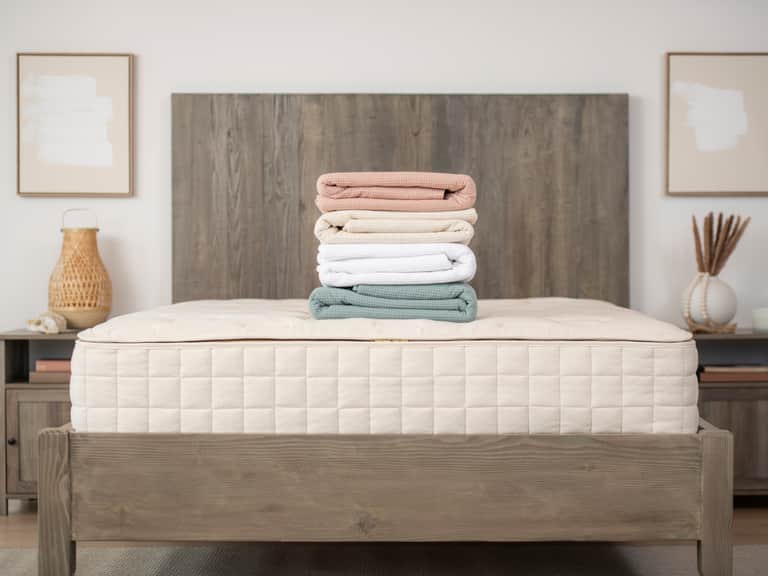
Similarly, sheet sets with deep pockets ensure a secure fit on thick mattresses or adjustable bases. A fitted sheet in a 15-inch pocket with a soft, durable weave provides longevity and a tidy bed surface, even after multiple wash cycles. The right sheets also respond to posture; users who switch between back, side, and stomach sleeping positions may prefer slightly different firmness and loft in pillows, as well as the breathing comfort of their top sheets and duvet covers.
Three Timelines of Sleep Wisdom: Voices from Different Eras
Across eras, three distinct voices illuminate a common pursuit: rest that renews. Each voice offers a lens on how bedding, in its material, design, and meaning, shapes our nights.
-
1) Classical to Enlightenment: The Quiet Craft of Comfort
From ancient textiles to early modern workshops, comfort meant functional warmth and a fabric that endured. A 17th-century weaver would recognize the logic of layered textiles—the idea that a bed is a system, not a single component. In the present, this translates to multi-layered bedding ecosystems: sheets, duvet covers, comforters, and protectors that work in concert to maintain temperature, moisture, and cleanliness through the night.
-
2) Industrial Age to Modern Science: The Theory of Temperature Equilibrium
Industrial advances unlocked new fibers and weaving technologies, enabling consistent thread counts, stable finishes, and safer dyes. In contemporary laboratories, scientists scrutinize fiber performance under heat and humidity. The result is bedding that is both comfortable and has a smaller environmental footprint—organic cotton, responsibly sourced wool, and non-toxic membranes that protect mattresses without off-gassing or vinyl hazards.
-
3) The Digital Age: Personalization and Wellness Metrics
Today’s sleep-wellness conversation is enriched by consumer data, wearable technology, and the rise of boutique bedding laboratories. Sleep quality is not merely subjective; it becomes quantifiable through temperature, moisture, and microclimate data. The bedding industry now offers curated options—sheet sets, protectors, and comforters—designed to support particular sleep postures and seasonal needs, echoing a modern desire for personalized rest experiences.
Key Figures Shaping Sleep Wisdom
Across centuries, individuals with diverse backgrounds have helped illuminate how we rest. Here are three pivotal voices—each from a different era—whose ideas resonate with today’s approach to sleep wellness:
Hypatia of Alexandria (c. 370–415 CE)
As a symbol of learning and empirical inquiry, Hypatia’s era invites reflection on disciplined observation—an early echo of modern sleep science. Although largely symbolic here, her commitment to knowledge mirrors the meticulous study of materials, weave, and fiber that informs today’s bedding innovations.
Florence Nightingale (1820–1910)
Nightingale’s emphasis on hygiene and environmental health foreshadowed contemporary standards for non-toxic textiles and breathable bedding. Her legacy of care informs the modern push for organic cotton, natural wool, and safe, low-emission bedding systems that support recovery and well-being.
Dr. Matthew Walker (b. 1977)
A contemporary scientist and author who has illuminated the neuroscience of sleep. Walker’s insights into circadian rhythms, heat, and wakefulness align with the practical advice of selecting fibers and weaves that optimize temperature regulation and sleep quality, a core theme of today’s bedding guidance.
Practical Guide: Building a Sleep-Wellness Bedding System
With a broad landscape of products, how should a reader assemble a bedding system that consistently supports rest? Here is a pragmatic blueprint, anchored by credible materials and thoughtful design principles.
- Sheets — Start with a sheet set whose weave and fiber suit your climate and warmth needs. For hot sleepers, organic cotton percale or lightweight long-staple cotton sheets offer crisp airflow. For cooler sleepers, 300–500 thread-count cotton sateen sheets provide a soft, insulating layer without excessive weight. Look for deeply pocketed fitted sheets to accommodate plush mattresses or adjustable bases.
- Protectors — Bed protection should blend safety with breathability. Organic cotton mattress protectors with a TPU barrier provide waterproofing and allergen protection without PVC or phthalates. A well-made protector remains quiet and unobtrusive, letting the top layers do the work of comfort.
- Comforters and Duvet Inserts — Choose a filling that matches your climate and warmth preferences: wool for natural moisture wicking and temperature regulation; down for loft and warmth; or a lightweight merino blend for three-season versatility. A duvet cover in organic cotton adds a breathable shell that maintains a clean edge against your duvet insert.
- Mattress and Bed Frames — Material choices behind the bed also influence sleep quality. For those seeking a premium wellness setup, an organic latex mattress or a natural-latex quilt-top option can offer balanced support and breathable comfort, particularly when paired with a weight-conscious foundation or adjustable bed frame that supports ergonomic positioning.
A Product Spotlight: Royal-Pedic Premier Natural Latex Quilt-Top Mattress
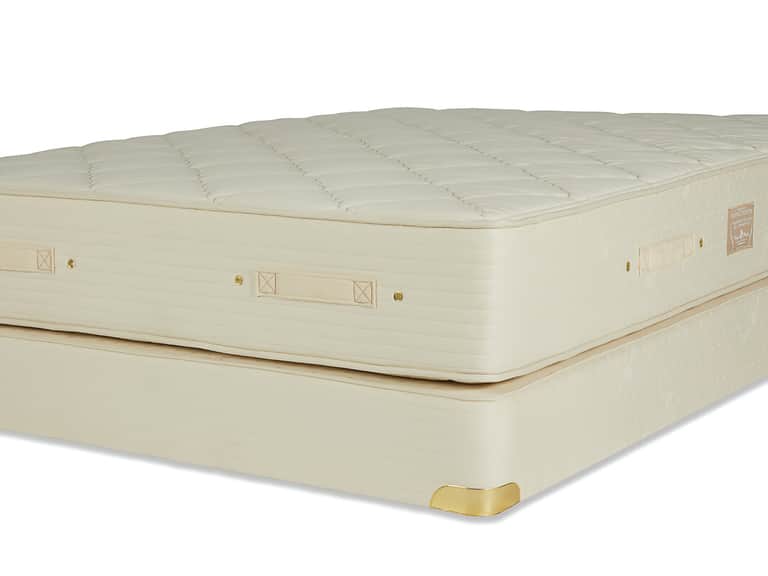
The Royal-Pedic Premier Natural Latex Quilt-top Mattress represents a pinnacle of natural comfort. Encased in premium cotton fabric, the mattress combines a 10-inch natural latex core with layers of chemical-free French wool, quilted to a soft jacquard weave. This construction offers a responsive yet calm surface, promoting pressure relief and steady temperature while being suitable for use on adjustable bases. Its natural materials—latex, wool, and cotton—work together to regulate moisture and heat, a key feature for a restorative night’s sleep.
In the broader design narrative, this mattress aligns with an educational approach to sleep wellness: knowledge of materials translates into better comfort choices, which in turn contribute to healthier sleep patterns over time. The suite around this mattress—sheets, protectors, and toppers—completes a system that prioritizes sustainable luxury and tactile harmony.
Price and availability: $7,728.00 (main sale price) with adjustable-bed compatibility.
- 10" natural latex core for supportive, balanced comfort
- Chemically-free French wool layers for moisture management
- Premium long-staple cotton jacquard fabric
- Suitable for adjustable bed bases
- Made in the USA with attention to natural materials
Conclusion: A Sleep Wellness Mindset
Sleep wellness emerges from habits as much as from products. The bedding ecosystem you assemble—sheets, protectors, comforters, and supporting mattresses—shapes your yearly rhythm of energy, mood, and resilience. By prioritizing organic materials, breathable weaves, and non-toxic finishes, you can craft a nightly environment that supports restorative rest. The evolving dialogue between comfort and science invites a deliberate, informed approach to bedding—one that respects tradition, embraces modern wellness science, and always centers the sleeper’s health and comfort.