Tablecloths provide a practical layer for protecting surfaces and enhancing dining aesthetics in living spaces. This category emphasizes fabric choices, weave, and finish, highlighting how each option contributes to stain resistance, durability, and ease of care. Understanding fabric weights and blends helps determine suitability for everyday meals or special occasions within a household setting.
Common tablecloth materials include cotton, polyester blends, and linen-look fabrics, each offering distinct benefits. Cotton offers breathability and softness, while polyester blends prioritize wrinkle resistance and durability. Linen textures convey a classic elegance. The choice of material affects drape, laundering frequency, and overall table presentation during family meals or gatherings.
Key features to consider when evaluating tablecloths include size, shape compatibility, hemmed edges, and finish treatments such as protective coatings or stain repellent properties. A well-chosen tablecloth can simplify cleanup after spills, shield tabletop surfaces, and contribute to a cohesive table setting that supports functional dining experiences.
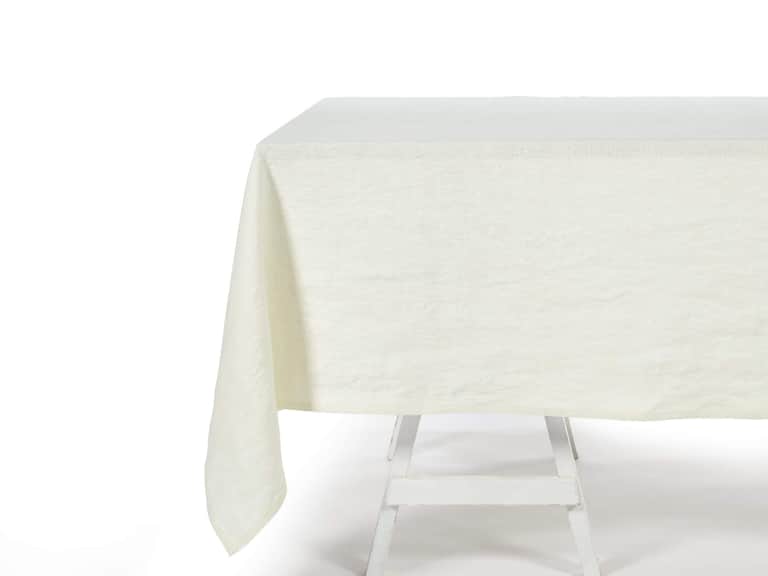
The Hudson Tablecloth line exemplifies practical design paired with thoughtful details, including sizing compatibility with standard table dimensions and easy-care instructions. Features like reinforced seams and compatible napkin or placemat sets enhance coordination, while functional benefits such as machine washability contribute to long-term usability in daily living spaces.
In educational terms, tablecloth selection intersects with table geometry, fabric performance, and care routines. Understanding these aspects—fabric type, weave, edge finish, and stain resistance—helps households optimize table protection and presentation. Related bedding categories, such as sheets and comforters, share material life cycles and laundering considerations that influence overall bedroom and dining room upkeep.
 Table
Table