Bedding · Comfort and care
Coyuchi Comforters: A Practical Guide to Warmth, Fill, and Layering
A comforter is not simply a measure of how much insulation sits on a bed. Fill, construction, fabric, room temperature, and the rest of the bedding all influence whether it feels pleasantly warm or too heavy by midnight. Here’s how to evaluate those details and build a flexible sleep setup for changing seasons.
Published November 17, 2026
There is a familiar winter-night calculation: the bedroom is cool, the sheets feel inviting, and the comforter looks reassuringly substantial. Then, sometime after falling asleep, the balance shifts. The warmth that seemed welcome at bedtime becomes too much. Or the opposite happens: a neatly made bed proves inadequate once the room cools after midnight.
That mismatch is a reminder that comforter warmth cannot be judged by appearance alone. Loft, fill material, the quantity of fill, how it is distributed, and the fabric enclosing it all matter. So do less obvious conditions: a drafty room, a warm mattress, a sleep partner’s preferences, and the sheets directly against the skin.
When comparing Coyuchi comforters, the useful question is not merely, “How warm is this one?” It is, “How does this layer work with the rest of my bed, my room, and the way I sleep?” A thoughtful answer can make shopping less dependent on labels and more grounded in everyday use.
Warmth is a system, not a single feature
A comforter is part of a small climate system. Sheets touch the body. A blanket can add a light layer between sheets and comforter. The comforter holds warmth, while the bedroom’s temperature and airflow shape how much insulation is actually needed. Each element changes the work required of the others.
This is why two comforters that appear similar in a product description may feel different in use. A lofty fill can create visible volume without necessarily indicating a particular level of warmth. A compact comforter may still insulate effectively if its fill and construction are designed to retain heat. Weight, meanwhile, is a separate sensation: some sleepers enjoy the grounded feeling of a heavier bed, while others prefer a layer that feels light over the body.
Start by noticing your own pattern. Do you wake hot, cold, or comfortable? Does the answer change when the heating is on, when a window is cracked, or when the weather turns? A few nights of observation can be more informative than buying for an abstract idea of “all-season” comfort.
- Room temperature: A consistently cool bedroom may call for more insulation than a warm, tightly sealed room.
- Personal warmth: People differ in how much heat they prefer to retain, and sleep partners may differ from one another.
- Existing layers: Flannel sheets and an extra blanket contribute warmth before the comforter is considered.
- Bed movement: A layer that shifts or bunches may feel less comfortable than one that stays evenly in place.
Fill: what is inside changes the experience
Fill is the material doing the insulating. Natural fills and synthetic alternatives can differ in loft, weight, breathability, care requirements, and the way they respond to regular use. No single material is automatically right for every sleeper. The best choice depends on preferred feel, household needs, and the product’s specific construction.
Down and other lofty fills
Down is known for its light, airy loft. The clusters can trap air, creating insulation without necessarily making a comforter feel dense. That combination appeals to people who want a puffy bed with a relatively light drape. The details matter: fill quality, fill amount, shell fabric, and stitching all influence how the finished comforter performs. A label or product description should be read as a whole rather than reduced to one number.
Some sleepers prefer a down alternative or another non-down fill because of personal, practical, or care considerations. These materials vary widely. One may feel springy and lightweight; another may feel more substantial. If a description provides specifics about fiber content, construction, and laundering, those are more useful than a broad promise of softness or warmth.
Wool and other fiber options
Wool appears in bedding in different forms and constructions. Its appeal often lies in a substantial, natural hand and its ability to contribute warmth without the same sensation as a highly lofty fill. But a wool textile, a wool-filled comforter, and a decorative duvet are not interchangeable categories. Check what the material actually describes: the outer fabric, the inner fill, or an accent panel.
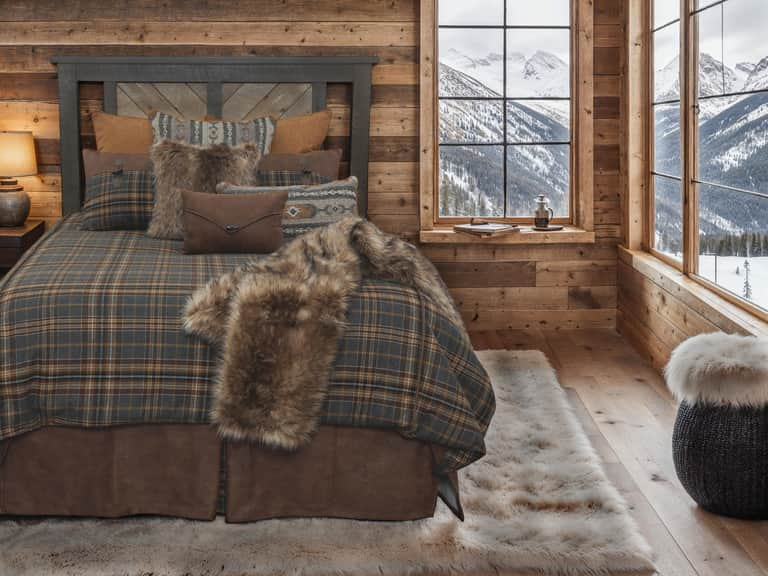
For example, a patterned duvet designed to coordinate with a bed set may add visual character and a tactile layer, but its stated materials and construction should guide expectations about warmth and use. Decorative detail is not a substitute for knowing whether an item is a comforter, a cover, or a complete bedding layer.
Natural materials and practical priorities
For readers drawn to organic or natural fibers, look for clearly stated material composition and relevant certifications rather than relying on general terms such as “natural.” A certification applies to particular claims and supply-chain standards; it does not, by itself, guarantee that a comforter will suit every temperature preference. Comfort still depends on fill amount, construction, the shell, and the bedding around it.
Care is part of the decision, too. A comforter that requires specialized cleaning may be a poor fit for a household that needs frequent, convenient laundering. Before purchasing, review the care instructions and consider whether the comforter will be protected by a removable duvet cover.
Construction: the quiet architecture of a comforter
Evenly distributed fill is essential. Without a construction that helps keep it in place, insulation can migrate toward the edges or gather in clumps. The result may be a bed with warm spots, thin patches, and an untidy appearance. Stitching and internal compartments are not mere finishing touches; they help determine how consistently the comforter behaves over time.
One common approach divides the comforter into sections, helping limit the distance fill can travel. Other methods use stitching patterns that hold material in position while shaping the surface. Each design has trade-offs involving feel, loft, and appearance. A more visibly quilted surface may have a different drape from a smooth one, while a very structured design may feel more contained than an open, lofty layer.
Examine the outside, too. A tightly woven shell can help contain fill, while the texture and weight of the fabric influence how the comforter feels against a duvet cover—or directly against the sleeper if no cover is used. A cover can make laundering easier and change the sensation of the bed, but it also adds a layer of fabric and may subtly affect the overall feel.
For a practical assessment, ask whether the product description explains the fill, the shell, the construction, and the care routine. When those details are absent, don’t infer them from a photograph or a broad warmth label. If possible, compare the item in person or ask the retailer for precise specifications.
How to read warmth and weight descriptions
Terms such as “lightweight,” “all-season,” and “warm” are useful starting points, not universal measurements. Brands may describe warmth in different ways, and individual experience will always depend on the environment and the sleeper. One person’s year-round comforter may be another person’s winter-only layer.
When specifications are available, consider fill weight and fill power as distinct concepts. Fill weight refers to the amount of fill used. Fill power, where it applies, describes the lofting capacity of down under a defined measurement. Neither number alone tells the whole story: a higher fill power does not automatically mean a warmer comforter if the total fill amount differs, and a high weight does not necessarily predict how heavy the comforter feels on the body.
Translate descriptions into questions about your own conditions. If you sleep hot in a heated apartment, will a thick layer be useful for more than a few cold nights? If you live in a place with pronounced seasonal changes, might two adaptable layers work better than one heavy comforter? If you share a bed, can each person adjust their side of the setup?
These questions make a comforter buying guide genuinely practical. The goal is not to find the most impressive specification. It is to identify the least complicated setup that stays comfortable across the nights you actually experience.
Build a bed that can change with the weather
Seasonal layering offers a useful alternative to searching for one perfect comforter. A flexible bed has a comfortable base and a few layers that can be added or removed without remaking the entire arrangement. That approach may help in homes where indoor temperatures vary, or where the change between seasons is gradual rather than dramatic.
- Choose sheets for the conditions you meet most often. Percale is commonly chosen for a crisp, breathable feel; sateen tends to feel smoother and more draped; flannel adds a brushed, cozy surface for colder weather. Fabric preference is personal, so consider both tactile feel and temperature.
- Add a modest intermediate layer. A light blanket or quilt can bridge the gap between sheets and a comforter. It offers an easy adjustment: fold it back on mild nights or pull it up when the room cools.
- Match the comforter to your coldest regular nights. Avoid choosing only for a rare weather extreme if that would leave the bed too warm for most of the year. A removable layer can help cover occasional colder nights.
- Keep a simple option within reach. A folded blanket at the foot of the bed gives each sleeper a quick way to add warmth without changing the main bedding.
Layering works best when each piece has a clear job. If every layer is heavy, the bed can become cumbersome. If each is too light, the setup may fail to hold warmth when the temperature drops. Try one change at a time. That makes it easier to learn which layer improves comfort and which is merely adding bulk.
A simple plan for different seasons
There is no universal calendar for bedding. A coastal bedroom with open windows behaves differently from a centrally heated apartment, and a person’s temperature preferences may matter more than the month on the calendar. Still, a seasonal plan can serve as a useful starting point.
- Warm weather: Use breathable sheets and a light cover or blanket. If the comforter is too warm, remove it rather than forcing it into service as a year-round layer.
- Transitional months: Keep sheets and a moderate comforter as the foundation, then add a thin blanket when needed. This is where a layered setup is especially useful.
- Cold weather: Consider a warmer comforter, warmer sheets, or both—but adjust gradually. A warmer sheet paired with an already insulating comforter can be more heat than expected.
- Unpredictable nights: Keep an extra layer accessible and let the bed adapt. One person may need a separate blanket even when the shared comforter is right for the other.
These are not prescriptions. They are prompts to help distinguish the sources of warmth. If a bed feels too hot, remove one layer and observe. If it feels cold, add one layer before replacing the entire comforter. Small adjustments often reveal the real problem more clearly than a wholesale change.
The role of the duvet cover
A duvet cover is both a protective shell and a design choice. It can make a comforter easier to keep clean, allow the bedroom’s appearance to change without replacing the insulating layer, and provide a different surface against the body. Its closures and internal ties also affect whether the insert stays aligned or slips into a corner.
Before buying, confirm that the cover and insert have compatible dimensions. A cover that is substantially larger may allow the fill to shift; one that is too small can compress the insert and alter its loft. Check the fastening method and think about the routine of removing and replacing the cover. A beautiful layer that is difficult to manage can become an avoidable chore.
Fabric matters. Cotton, linen, and blends each have distinct textures and laundering considerations. A breathable natural-fiber cover may suit someone who wants an airy, relaxed feel, while a smoother woven fabric may appeal to a sleeper who prefers a more polished surface. A duvet cover cannot transform the insulation inside, but it can change the way that insulation feels in practice.
Care habits that help preserve comfort
Follow the care label rather than assuming that every comforter can be washed at home. Size, fill type, shell construction, and machine capacity all matter. An overloaded washer can strain the fabric and prevent effective rinsing; improper drying may leave dampness trapped within a thick layer. If home laundering is not recommended, use the specified professional-care method.
Between washes, a duvet cover can reduce direct contact with body oils and everyday dust. Airing the bedding when practical and addressing small spills promptly may also help keep it fresh. Avoid storing a comforter while it is damp. For long-term storage, use a clean, dry space and a breathable container where appropriate, rather than compressing the fill for extended periods unless the manufacturer’s guidance allows it.
Care is also a question of convenience. A comforter with demanding instructions may still be a good choice, but the owner should know what the routine involves before committing. The easiest bedding to maintain is not necessarily the most durable or comfortable; the best choice is one whose care demands fit the household.
A quick checklist before choosing
When comparing Coyuchi comforters or any other bedding, use a short checklist to move beyond impressions:
- What is the fill made from, and is that information clearly stated?
- Does the product explain fill quantity or provide a useful warmth description?
- How is the fill held in place, and does the construction suit your preferred drape?
- What is the shell made from, and will it be used with a duvet cover?
- Does the care guidance fit your laundry setup and household routine?
- What sheets and blankets will be used with it?
- Will one comforter suit both sleepers, or is a separate blanket likely to help?
- Can the bed adapt to seasonal changes without replacing every layer?
These questions are more useful than trying to predict comfort from a single feature. A comforter’s performance emerges from the combination of materials and construction, then meets the realities of a particular bed and bedroom.
The lasting measure is the night itself
Comfort is sometimes treated as a product attribute, printed neatly beside dimensions and material details. In practice, it is an outcome. The same comforter can feel reassuring in a cool room and oppressive in a warm one; the same fill can feel light to one sleeper and substantial to another. The bedding surrounding it changes the result.
That is why the smartest approach to Coyuchi comforters begins with observation. Notice when you wake warm or cold. Identify whether the issue comes from the sheets, the room, the comforter, or a combination. Then make measured changes. Add a layer before buying a heavier comforter; remove one before concluding that the fill is wrong. Check the construction and care details before relying on a promise of all-season versatility.
A well-planned bed does not have to be complicated. It needs a comfortable base, a comforter suited to common conditions, and enough flexibility to respond when the weather or the sleeper changes. Warmth is not simply a matter of more. It is the quieter achievement of getting the layers right.