Designing Your Sleep Sanctuary: How Bedding Choices Impact Restorative Sleep
A practical, editorial exploration of how layering, materials, and warmth influence comfort, temperature regulation, and overall sleep quality. Drawing from historic textile traditions and modern wellness insights, this piece highlights how thoughtful bedding choices can transform a bedroom into a sanctuary for restorative rest.
Why Bedding Design Shapes Sleep
The bedroom is more than a space for rest; it is a controlled environment where micro-decisions—like the fabric of sheets, the weight of a comforter, and even the weave of a duvet cover—collectively influence the night’s health. In the realm of sleep science, temperature, moisture management, and tactile comfort are pivotal. Bedding acts as the first line of defense and the primary translator of comfort between body and room.
Consider layering as a deliberate strategy. Start with breathable sheets that wick away moisture; add a temperature-appropriate comforter, blanket, or wool fill to balance warmth; and finish with a duvet cover that protects your investment while preserving the soft textures you crave. This approach mirrors a well-curated expedition: each layer serves a purpose, from temperature regulation to tactile satisfaction, while enabling easy adjustments as seasons shift.
Seasonal Layering: The Three-Lold Approach
In hot climates or warm seasons, breathable percale sheets paired with a lightweight duvet or a natural wool comforter offer temperature regulation without overheating. For cooler months, consider deeper, loftier layers—a down or down-alternative comforter, or a wool-filled option—that traps heat without creating a muggy microclimate.
The materials you choose matter just as much as the layering concept. Organic cotton, long-staple cotton sateen, linen, and natural wool each bring distinct breathability, moisture management, and tactile experiences. The right combination for your sleep posture and climate is a personal map—one that rewards experimentation.
Materials and Breathing Space: Cotton, Linen, and Wool
High-thread-count fabrics can be extraordinarily soft, yet the thread count alone does not guarantee a breathable night. Cotton sateen, especially at 300–500 thread counts, can offer a luxurious, smooth hand while maintaining breathability when paired with proper moisture-wicking sheets. Linen, a fabric built from flax fibers, offers exceptional airflow and moisture management, naturally cooling in warm months and warming in cooler times as it adapts to your body.
Wool-filled comforters or wool-blend layers provide notable temperature regulation across seasons, because wool can wick moisture and retain warmth without overheating. It is also naturally resistant to dust mites and supports a hypoallergenic environment for many sleepers.
Layering Strategy: A Practical Guide
Start with a foundation of breathable sheets. The Sleep and Beyond Organic Cotton Percale Sheet Set delivers crisp airflow and a cool touch, ideal for sleepers who prioritize air circulation. When the night calls for warmth, consider a natural wool comforter such as a Sleep and Beyond myComforter Light or a carefully chosen down comforter, which provides lofty warmth without excessive weight.
For protection and longevity, use duvet covers that protect the inners while preserving the texture and softness you love. Naturepedic Organic Cotton Sateen Duvet Covers and similar organic options offer a premium balance of feel and sustainability. If allergies or sensitivities are a concern, opt for protective encasements to shield mattresses and pillows, ensuring a cleaner sleeping environment.
Three Key Figures: Threads Through Time
A look at influential thinkers and makers who shaped our understanding of comfort, textiles, and sleep-wellness across eras.
1) Florence Nightingale (1820–1910)
A pioneer in health reform, Nightingale’s emphasis on sanitation and evidence-based care echoed into the design of domestic living spaces. While not a textile inventor, her approach to data and hygiene laid groundwork for safer, more health-conscious sleep environments. The modern bedding industry benefits from an ethos of clean, breathable materials and non-toxic finishes that align with ageless health standards.
2) Lucy M. Page (late 19th century)
A textile artisan who championed soft, durable cotton weaves in households across industrializing cities. Her work reminds us that luxury in bedding is not solely about price but about the tactile relationship between fabric and skin. The modern fixation on cotton sateen and organic cotton owes much to the enduring appeal of carefully crafted cotton textiles, which remain central to sleep comfort.
3) Roycroft Founders and Arts and Crafts Movement (c. 1890s)
Advocates of handcrafted luxury, simple forms, and natural materials. The ethos of unadorned textiles, honest finishes, and durable craftsmanship informs today’s premium bedding lines—like the long-staple cotton sateen sheets and linen sets—that celebrate restraint, texture, and longevity.
A Case Study in Product Pairings
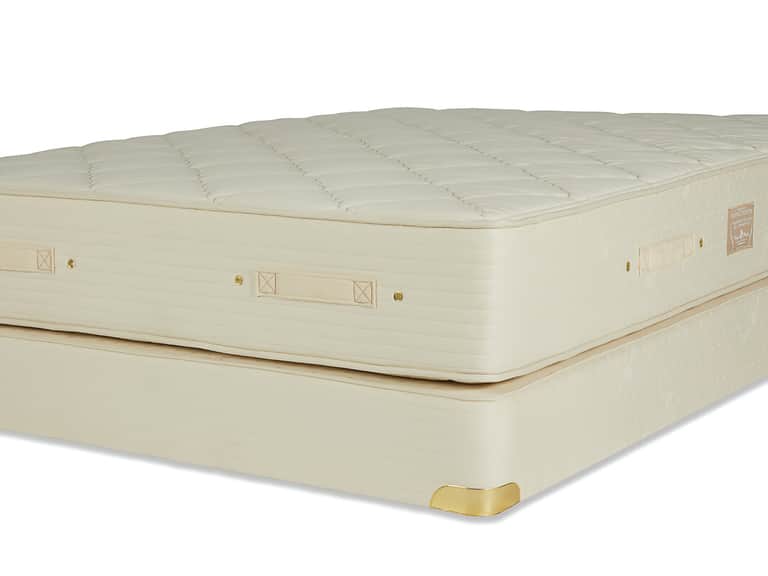
To illustrate the theory of sleep sanctuary design, consider a curated set of bedding pieces that work in concert. A high-quality mattress complements the layering approach. The Royal-Pedic Premier Natural Latex Quilt-top Mattress represents a pinnacle of support and natural materials, pairing well with breathable wool or cotton layers and a protective, organic duvet cover. This synergy demonstrates how an elevated foundation empowers the rest of the bedding system.
Royal-Pedic Premier Natural Latex Quilt-top Mattress
A luxurious mattress featuring a natural latex core, organic wool layers, and premium cotton fabric. Its firmness and plush surface balance support with contouring comfort, ideal for combination sleepers. The weave and materials promote temperature neutrality, aligning beautifully with wool blankets or breathable sheet sets.
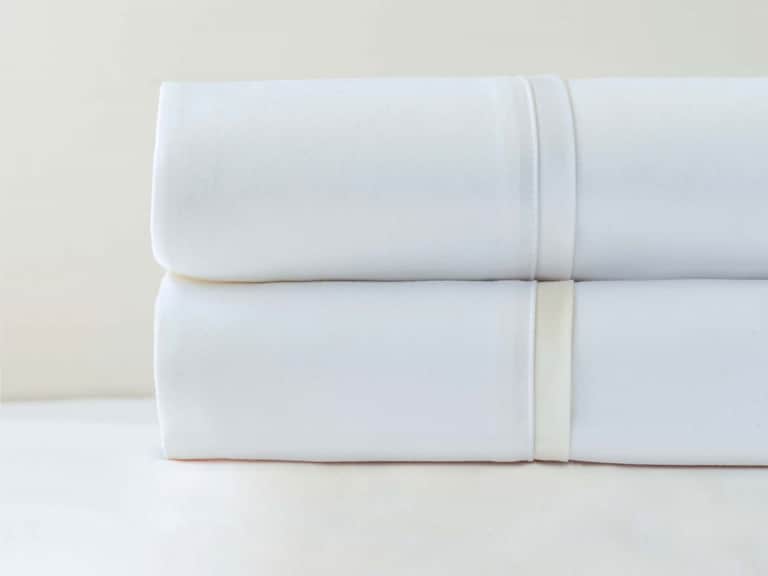
Sleep-and-Beyond Organic Cotton Percale Sheet Set
A crisp, breathable 270-thread-count organic cotton percale blend designed for hot sleepers and humid climates. Its cool hand and durable performance pair well with a lighter duvet or a seasonally appropriate wool comforter, enabling an adaptable bedscape across the year.
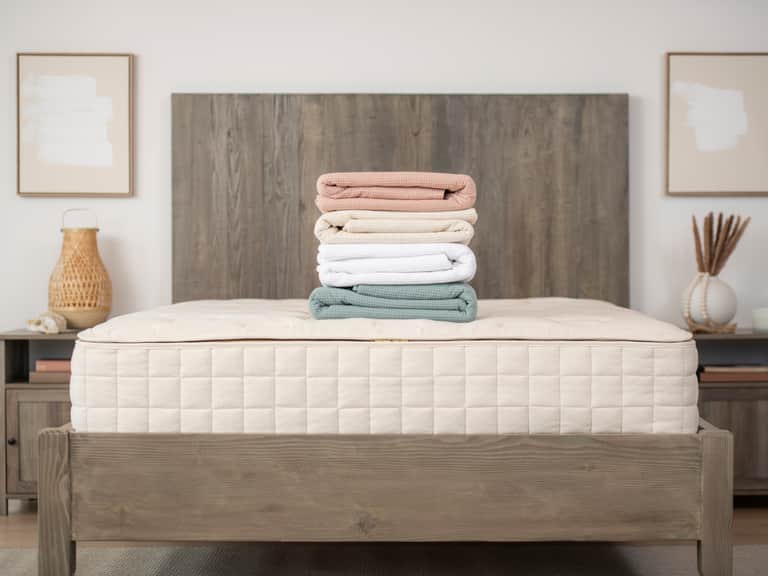
Naturepedic Organic Cotton Waffle Blanket
A textured, breathable layer that adds tactile warmth without heavy weight. The waffle weave fosters air movement, complementing top-of-bed protection and ensuring that warmth remains balanced without overheating.
Naturepedic Organic Cotton Sateen Duvet Cover Set
A luxurious, smooth, organic cotton cover that protects the duvet while preserving the feel of the inner layers. The cover’s ease of care and ethical sourcing reinforce the sanctuary’s health-forward ethos.
Local Craft, Global Reach: A Balance of Perspective
The bed is a canvas where global textile expertise meets personal comfort. From the artisanal traditions of Portuguese cotton weaving to the sustainable, non-toxic manufacturing standards embraced by Naturepedic and Sleep and Beyond, the bedding ecosystem demonstrates how craft and science converge to support restorative sleep. Local narratives—such as Hudson-area wellness communities or nearby textile studios—can enrich a sleep sanctuary with in-person events, expert talks, and community-driven product reviews.
In the end, the sanctuary you design is a reflection of your body’s needs and your values. It is a space where science meets sensibility, heritage meets innovation, and the simple act of turning down the lights becomes a ritual of renewal.
Curate Your Sleep Sanctuary Today
To begin building your sleep sanctuary, select a pairing that aligns with your climate, sleep position, and wellness goals. For instance, pairing a premium latex mattress like the Royal-Pedic Premier with breathable percale sheets and a seasonally appropriate wool or down comforter can yield a balanced, year-round sleep experience. Protect and preserve your investment with organic duvet covers and mattress encasements, ensuring long-term comfort and health.
As you explore, remember that sleep wellness is a journey rather than a destination. Small adjustments—like changing a duvet cover, adjusting a layer, or upgrading a single sheet set—can yield meaningful improvements in temperature regulation, moisture management, and overall sleep quality.
Conclusion: A Calmer, More Restorative Bedroom
The design of your sleep sanctuary is an ongoing practice of balancing comfort, temperature, and texture. By choosing breathable fabrics, appropriate warmth levels, and protective, durable layers, you shape a nightly environment that invites rest, recovery, and renewal. The Bedding ecosystem—rich with organic cottons, linens, wools, and premium latex options—offers a spectrum of choices to fit your climate, sleep posture, and personal aesthetic.
In the spirit of National Geographic exploration, we observe not only the surfaces that touch our skin but the ecosystems those surfaces inhabit: the ethics of sourcing, the science of breathability, and the cultural legacies that inform our most intimate spaces. The sleep sanctuary you design today is a bridge to healthier nights, more energized days, and a deeper appreciation for the quiet rituals that shape our lives.
Product Highlights (Selected)
Royal-Pedic Premier Natural Latex Quilt-top Mattress
A pinnacle of comfort and natural materials, featuring a 10" latex core and French wool layers. Suited for adjustable bases and designed for long-lasting support.
Price: 7728.00
Sleep and Beyond Organic Cotton Percale Sheet Set
270-thread-count organic cotton percale with a crisp, breathable hand and eco-conscious manufacturing.
Price: varies by size
Naturepedic Organic Cotton Waffle Blanket
Organic cotton waffle weave for breathable warmth and texture; soft and durable with eco-friendly credentials.
Price: 139.00
Naturepedic Organic Cotton Sateen Duvet Cover Set
400-thread-count organic cotton sateen duvet cover set; hotel-soft feel with a sustainable edge.
Prices vary by size